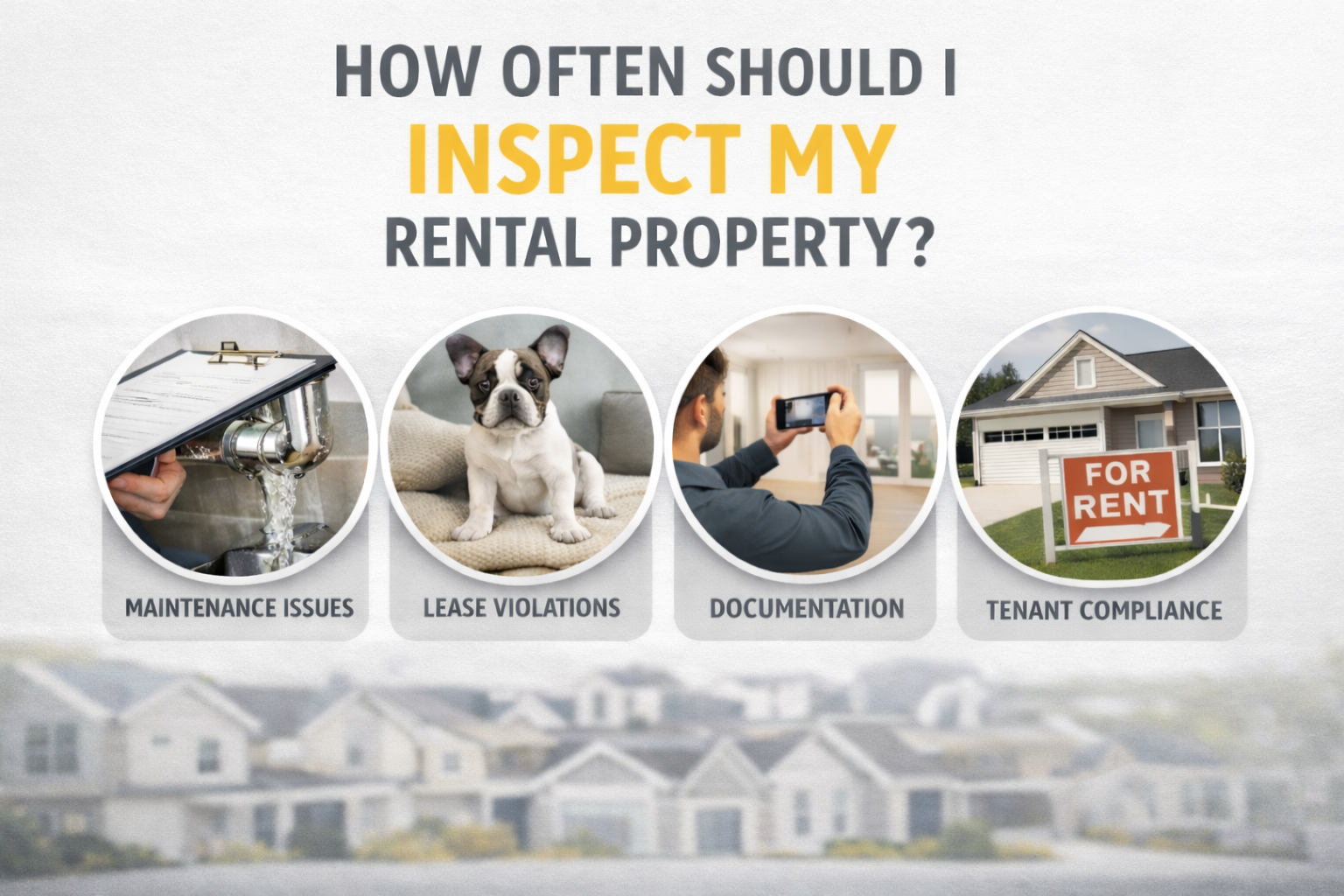
One of the most common questions rental property owners ask is:
“How often should I inspect my rental property?”
Is it every month?
Once a year?
Or only when there’s a reported problem?
At Hive Group Realty, we’ve managed and inspected a wide range of rental properties, and we’ve found that having a clear, consistent inspection strategy helps protect the property, the owner, and the tenant. Below are the best practices we recommend—and follow ourselves—to ensure inspections are effective without being intrusive.
Set Expectations Early with Applicants
The inspection process should begin before a tenant ever moves in.
During the application stage, prospective tenants should be informed that the property will be subject to routine inspections, including exterior drive-bys and scheduled interior inspections throughout the lease term.
Why is this important?
Clear expectations help deter problem tenants. If someone intends to violate lease terms—such as housing unauthorized occupants, pets, or engaging in prohibited activities—knowing the property will be inspected regularly may encourage them to look elsewhere.
Transparency upfront leads to better long-term tenancies.
Make Sure the Lease Reflects Inspection Rights
If inspections are part of your management strategy, the lease must clearly support them.
Your lease agreement should include language granting the landlord or property manager the right to access the property with proper notice, except in emergencies, as permitted by state law. This helps avoid confusion or disputes later and ensures inspections are conducted legally and professionally.
Failing to align lease language with actual practices can create unnecessary problems down the road.
Inspect at Least Once Per Year (But Not Too Often)
So how often should inspections actually happen?
At a minimum, we recommend conducting one interior inspection per year during an active lease. While more frequent inspections can be beneficial, they should generally be limited to no more than three to four times per year unless there is a specific reason.
Why the limit?
Tenants are legally entitled to what’s known as quiet enjoyment of the property. Excessive inspections—especially without cause—can infringe on that right.
As a rule of thumb:
If you inspect once, there’s usually no need to inspect again for several months.
Quarterly inspections are typically sufficient when justified.
Additional inspections should only occur when there’s a legitimate concern or maintenance issue.
What to Look for During a Rental Property Inspection
An inspection should be purposeful—not just a walkthrough.
Key areas to focus on include:
Lease violations, such as unauthorized occupants or pets
Unreported maintenance issues, including leaks, water damage, mildew, or malfunctioning fixtures
General property condition, ensuring the home is being reasonably maintained
Catching small issues early can prevent costly repairs later.
Document Everything
Documentation is one of the most important parts of the inspection process.
During each inspection:
Take clear photos of every room
Photograph any maintenance concerns or lease violations
Complete a written inspection report
Thorough documentation protects everyone involved—the tenant, the property owner, and the property manager—and provides a reliable record if issues arise in the future.
Get Expert Property Management Guidance from Hive Group Realty
Routine inspections, when done correctly, benefit everyone. They help preserve the property, reduce risk, and support a positive landlord-tenant relationship.
If you have questions about inspections, lease compliance, or professional property management, Hive Group Realty is here to help. Contact our team to learn more about how we protect your investment and simplify rental ownership.